The Trifold Revolution
The Trifold Revolution: Why the "Square" Fold Was Just the Warm-Up
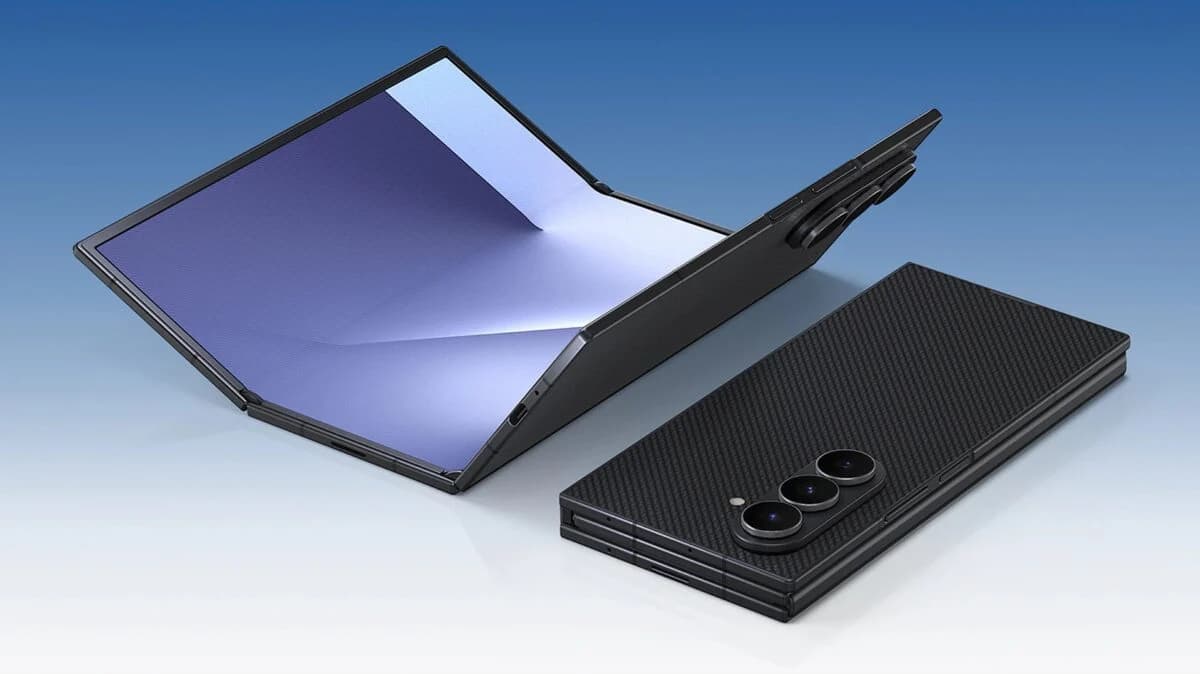
For years, the tech world has been trying to convince us that "foldables" were the future of mobile computing. Early models made big promises, guaranteeing a tablet-sized experience in our pockets. However, for many users, the math never quite added up. What we got instead were devices that felt more like glorified smartphones than the transformative tools they were marketed as—a square screen that left much to be desired.
This year, however, everything changed. With the release of the Huawei Mate XT and the Samsung Galaxy Z TriFold, the industry has finally transitioned from the "book" phase of foldables into an era where the trifold design reigns supreme. For the first time, the foldable phone truly makes sense, bringing not only form but also functionality to the forefront.
The Death of the "Black Bars"
One of the most significant complaints regarding traditional foldables—like the Z Fold series or the Pixel Fold—has always been their aspect ratios. When you unfold them, you’re left with an almost perfect square. In a media landscape dominated by 16:9 content, this square screen feels like wasted space. Watching a movie on a traditional foldable means contending with massive black bars bordering your video, resulting in an experience that is hardly larger than what a standard smartphone offers.
In comparison, the trifold design addresses this concern head-on. By unfolding twice, these devices open up to a substantial 10-inch screen with an aspect ratio that aligns with media production standards. Suddenly, YouTube videos and streaming services fill the screen completely, ensuring that the extra display real estate is effectively utilized for content rather than merely being blank space. Imagine watching a movie where the visuals extend edge to edge, or even using apps side by side in a split-screen view—this is where the trifold truly shines, redefining the user experience for entertainment.
From Phone to Laptop: The Productivity Leap
For professionals and content creators, the trifold offers a revolutionary leap in productivity. A 7-inch square screen is, quite frankly, just a bigger phone, but a 10-inch rectangle transforms into a legitimate laptop replacement. Features like Standalone DeX on the Samsung model drastically elevate the experience. You are not merely stretching a mobile app; you are running an entire desktop-class interface.
Picture this: you can connect a slim Bluetooth keyboard and mouse to your tri-fold, effectively transforming it into a portable workstation. With apps like Microsoft Office, Adobe Creative Cloud, and productivity-focused software optimized for this larger screen, your workflow becomes seamless. Whether you're drafting documents, conducting video calls, or editing videos on the go, the trifold eliminates the need for a bulky laptop. It empowers you to handle complex tasks in a compact form factor, making it feel less like a compromise and more like an evolution in mobile productivity.
Usability in Everyday Life
The trifold's usability extends beyond work and entertainment; it influences our daily interactions with technology. Imagine using the trifold to take notes in a meeting while simultaneously displaying a presentation. Or consider how it excels for multitasking—running a video call on one side while reviewing documents on the other.
Moreover, with the adoption of the trifold design, tasks that once seemed impractical on a smartphone become feasible. For instance, browsing the web while referencing another document has never been more comfortable, allowing for a flow that feels natural. This multifunctional capability helps bridge the gap between mobile technology and traditional computing, ensuring that you never feel limited by your device.
The Hurdles: Fragility and Price
With a 10-inch, fragile screen in your pocket, challenges inevitably arise. The trifold’s design—with its dual hinges and exposed screen sections—demands a higher level of care than a conventional slab phone. These devices are undeniably high-maintenance marvels, requiring users to navigate their fragility with caution. The ideal protective case is still yet to be universally accepted or developed, which adds another layer of responsibility for the user.
Then, there’s the price. For the trifold to become a coveted mainstream device instead of an ultra-luxury item, the industry needs to explore a sub-$2,000 starting point. Currently, prices hover around $2,500-$3,000, narrowing the potential audience to a select group of ultra-enthusiasts and early adopters. Combating the perception that these devices are merely expensive toys will take time and strategic pricing strategies.
The Verdict
The trifold isn’t just "another foldable." It is the evolution that justifies the technology. It offers a much-desired screen size and form factor that aligns with the tasks we use our devices for daily. While fragility might deter some users, the pros—having a literal cinema and a portable workstation in your pocket—finally outweigh the cons. This innovative form factor not only enhances media consumption but also redefines productivity, setting a new standard for what we can expect from mobile devices. As the trifold design gains momentum, it invites us to reconsider the potential and possibilities within our pockets.
Comments (0)
No comments yet. Be the first to share your thoughts!